An “inflammatory clock” for healthy ageing
Inflammaging, a state of low-grade chronic inflammation, is among the main risk factors for age-related diseases. Being able to measure it could help doctors provide personalised treatments for care and prevention. We discussed this with Aurelia Santoro, professor at the Department of Medical and Surgical Sciences of the University of Bologna

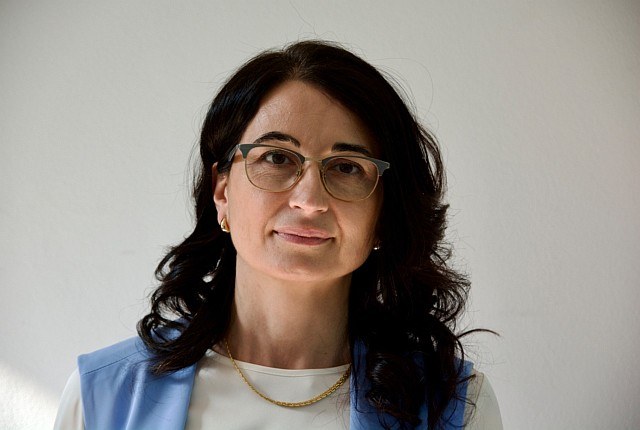
Aurelia Santoro, professor at the Department of Medical and Surgical Sciences
When it comes to ageing, and to healthy ageing, one word is being heard more and more often: inflammaging. The term – which combines “inflammation” and “ageing” – was coined twenty-five years ago at the University of Bologna, thanks to a series of pioneering studies on centenarians conducted by Claudio Franceschi, now Professor Emeritus of the University.
Since then, research on inflammaging has spread worldwide, and the topic of chronic inflammation has become central to monitoring and improving the health of older people. A study published in Nature Aging now takes stock of this field of investigation, offering recommendations on the best strategies to reduce inflammaging and setting a new goal: to develop a simple, low-cost method to measure “inflammatory age.”
UniboMagazine discussed this with Aurelia Santoro, professor at the Department of Medical and Surgical Sciences of the University of Bologna, who co-authored the study together with Claudio Franceschi and other researchers (Fabiola Olivieri, Alexey Moskalev, and Mikhail Ivanchenko).
Professor Santoro, let’s start with the basics: what is inflammaging?
Inflammaging is a state of chronic, low-grade, sterile inflammation. It is not the normal inflammatory response that our body activates in the presence of infections, but rather a condition of widespread, mild inflammation. Today we know that this condition is deeply involved in the ageing process and is one of the main risk factors for age-related diseases such as Alzheimer’s, type 2 diabetes, cardiovascular diseases, and cancer.
When does this chronic inflammation begin to emerge?
It is a process that accompanies us throughout our lives. It already begins in utero and can be influenced by mothers’ behaviours and lifestyles during pregnancy. It then continues through childhood, adulthood, and into old age. This is why it is important to stress that inflammaging is not in itself a negative factor; on the contrary, if kept under control, it helps to keep the body healthy.
How so?
This state of low-grade, widespread inflammation triggers an anti-inflammatory response that can help strengthen the body, enabling us to react more effectively to the challenges that accumulate with age. This phenomenon was observed in the pioneering studies on centenarians carried out by Professor Claudio Franceschi’s research group. It was found that centenarians live to exceptionally advanced ages thanks to the presence of mild levels of inflammation that activate an anti-inflammatory response capable of counteracting the diseases typically associated with ageing.
So what can we do to keep inflammaging under control?
Levels of inflammaging depend on the interaction of many factors. Among them, diet is certainly crucial: studies have shown that the consumption of processed foods, rich in sugars or saturated fatty acids, increases inflammation, while the Mediterranean diet, for example, helps to balance inflammaging and the anti-inflammatory response. But frequent and moderate physical activity is also important to counteract sedentary lifestyles, as is sleep: sleeping well helps the body eliminate the “waste molecules” produced by normal cellular metabolism. Then there are other equally important contextual factors to consider.
For example?
There are differences between men and women: men tend to have higher inflammatory levels, while women live longer but experience more fragile health in later life. Socioeconomic status can also play a key role: those living in poorer and more disadvantaged social and environmental conditions tend to have higher levels of inflammaging. And in an even broader sense, there are ethnic and geographical differences: for example, different inflammaging dynamics have emerged when comparing populations from Brazil, Yakutia, Bolivia, and Malaysia.
But how can inflammaging be measured?
This is the main challenge we face: the goal is to create an “inflammatory clock.” By combining a series of parameters linked to the presence of inflammation with some metrics developed using explainable artificial intelligence systems, it is possible to measure an individual’s inflammatory age, which is different from their chronological age. Knowing this inflammatory age can help doctors identify the most effective care and prevention strategies to promote healthy ageing.
And when should we start measuring inflammatory age?
Ideally, measurements should begin at a young age, so that inflammaging can be monitored throughout life. We all age, but each person ages differently, and as we have seen, many factors influence levels of chronic inflammation. That is why inflammatory clocks are so important: they could make it possible to assess inflammaging quickly and cost-effectively, ensuring targeted, personalised treatments.