
Problem-solving Student Mediators
The student mediation team is at the heart of the University Dispute Resolution project, an initiative now using mediation as a tool for resolving conflicts between university students

"Active listening and the ability to formulate the right questions at the right time are fundamental: the aim is to get the people involved to reflect on their own needs, but also on those of the other person, and then to come up with shared solutions"
The years spent at university are made up not only of lectures, workshops, libraries and exam sessions, but also – and perhaps mainly – of relationships. These are unforgettable years, marked by new encounters, discoveries, and the sharing of ideas, spaces, and time spent together. Inevitably, however, living with your peers at university can sometimes lead to problems.
"The most frequent issues arise in communal living spaces, whether private flats or halls of residence: things like managing daily tasks, using common areas and sharing expenses”. Carolina Mancuso, a research fellow at the University’s Department of Legal Studies, is one of the driving forces behind University Dispute Resolution (UDR), the initiative that is bringing peer mediation to our University as a tool for resolving conflicts among students.
The idea is (apparently) simple: to solve misunderstandings and problems that arise in cohabitation or group work situations with the help of peers – other university students, who act as mediators. These mediators, however, must be very carefully and adequately trained. "The key aspect is that the mediator cannot and should not be a judge," says Mancuso. "They must not judge and resolve the dispute between the two parties but help the people involved to find common ground, so as to arrive at a shared solution."
Peer mediation has been developing since the 1980s in the context of US university campuses and in recent years has become more popular also in Europe. In 2021, Spain passed a law inviting universities to integrate mediation as a dispute resolution tool and several universities are now preparing to adapt.
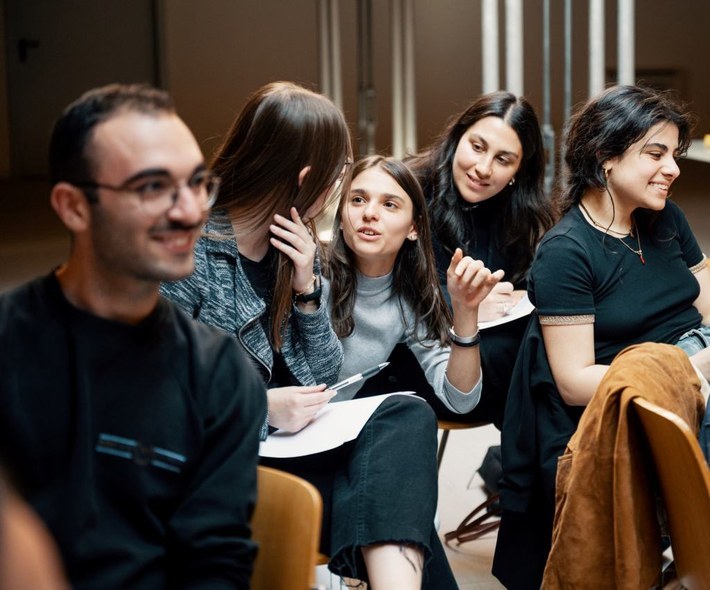
With the UDR project, the University of Bologna (with a team led by Prof. Elena Zucconi Galli Fonseca) has also embarked on this path, first by mapping the main causes of conflict among students, and then by organising a series of masterclasses and seminars including practical exercises and simulations. Today, the university already has about 20 mediation-trained students. This enthusiastic and diverse team is leading the University’s own 'Mediation Space' and is already dealing with the first cases to be resolved.
"The first pilot case came to us on the recommendation of the Student Ombudsman, who expressed great interest and support for our project," says Angela Maria Felicetti, also a research fellow at the Department of Legal Studies and part of the UDR team. "The student-mediators who participated managed the first meeting completely independently and we received very positive feedback: the process will now continue with further meetings, hoping to arrive at a shared solution to the case”.
In the meantime, the mediators are also continuing their work on the training front: they are organising new workshops for other students, with the aim of spreading the practice and techniques of peer mediation, which also have a value in preventing potential conflicts. Group training courses can also be initiated within student associations, between roommates or in student halls of residence, in study or research teams.
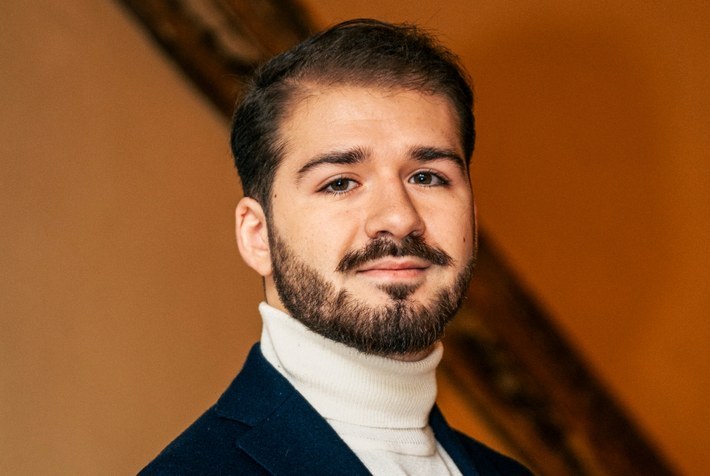
"Conflicts almost always arise because of an interference in communication between the parties: it is normal for these interferences to occur, because we all have different lives. But the important aspect, the one that changes the outcome of things, is how we deal with them”. Speaking is Lorenzo Spata, a third-year student in Political, Social and International Sciences, and a member of the University’s peer mediation group.
Lorenzo has been involved in the UDR project from the very beginning. After attending the workshops, masterclasses and practical sessions, he is now a member of the mediation team handling the first pilot case. "It is going very well," he says. "After the first meeting we were already seeing encouraging signs, but we know that these are delicate situations: we have to follow them with great care and caution, without rushing things and always using the techniques of mediation".
What makes this project effective is not only the fact that the protagonists are all students, but above all the techniques used. "There are many tools: you have to know all of them and decide which ones to use depending on the situation," explains Bianca Di Carlo, a PhD student at the Department of Legal Studies, another member of the team leading the project. "Active listening and the ability to formulate the right questions at the right time are fundamental: the aim is to get the people involved to reflect on their own needs, but also on those of the other person, and then to come up with shared solutions".
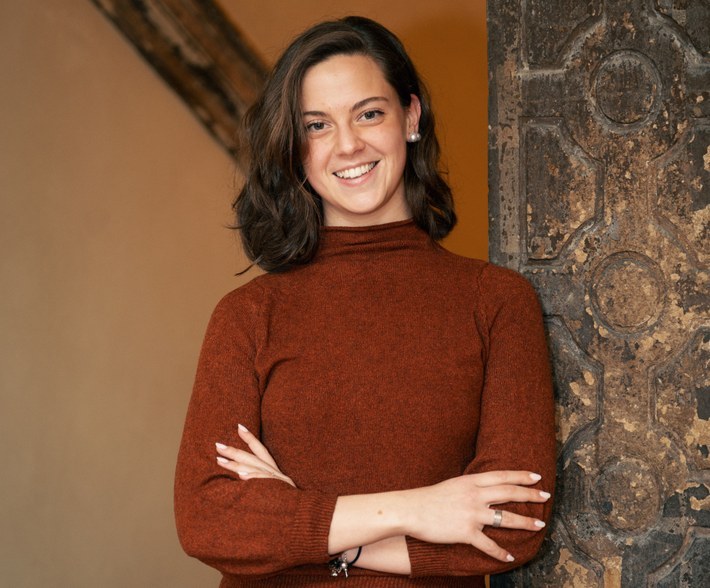
The strength of peer mediation, after all, goes far beyond the individual conflicts that can be resolved through the intervention of mediators. Familiarity with these practices and tools is also extremely useful for dealing more calmly and with greater awareness in many everyday situations, in the family, among friends, in the world of education or at work.
"I’ve found that the skills I have developed through mediation also have a use in my everyday life," confirms Benedetta Fugalli, a law student and a student mediator. "Knowing how to listen and find spaces for dialogue is a very valuable skill and I am certain that it will be very useful to me in the future. So much so that I would like to continue along this path and perhaps, who knows, even make mediation a real profession”.