
When Talent Blossoms: From Child Prodigies to Social Media Musicians
In the history of music, the image of musical talent emerging suddenly is often associated with children capable of playing, composing or interpreting with astonishing naturalness, as was the case with the young Wolfgang Amadeus Mozart. But talent, on its own, is not enough. How is musical talent truly nurtured, and what does it mean today to "blossom" in the world of art? We asked Anna Scalfaro, a professor and musicologist at the University of Bologna
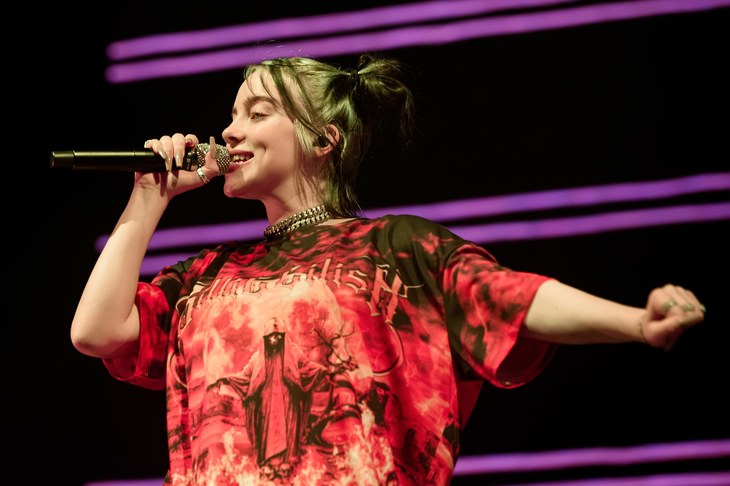
Alongside the traditional pathways of musical training, today there are new spaces for visibility and experimentation, from social networks to digital platforms. Professor Anna Scalfaro explains to Unibo Magazine how musical talent is truly nurtured and what it means today to "blossom" in the world of art.
Professor, in artistic circles, people often speak of talents that "blossom". In music, what does this blossoming truly mean?
The concept is already implicit, in a sense, in the word talent. Think of the figure of the enfant prodige: a child who, from a very early age, displays an extraordinary ability to play an instrument or to compose. The best-known example is Wolfgang Amadeus Mozart, who already at a very young age showed an exceptional musical ear and an extraordinary facility for composition. In these cases, you really get the impression of witnessing an artistic awakening, something that emerges very early and in a surprising way.
Not all talents, however, manage to blossom into long-lasting careers. What does that depend on?
Talent is merely the starting point. Not all talents manage to blossom fully and develop into a career. In the world of music, for example, many highly gifted young people start studying early, take part in competitions, and give concerts from childhood. But turning that ability into a stable profession is very difficult. Several factors come into play: meeting an important teacher, the context in which you grow up, the opportunities that present themselves. Luck also plays a role. In other words, talent needs to find the right ground in which to develop.
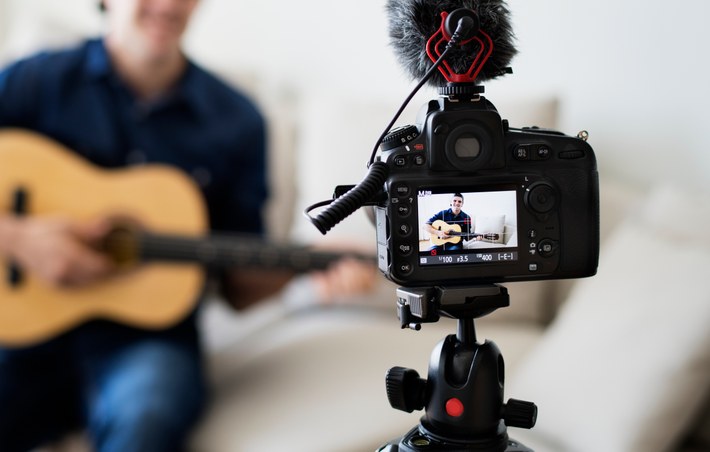
Have social media changed the way musical talent is born and grows
Yes, today social media have profoundly changed artists' paths to visibility. In the past, recognition came mainly through conservatoires, competitions, agencies or record labels. Today, however, a musician can reach the public directly. This applies to every genre, from classical music to pop. Think of a singer like Billie Eilish, who started very young by posting her songs online, but also of musicians such as the pianist Valentina Lisitsa.
How did these two women achieve success, coming from very different musical backgrounds, yet alike in the means by which they reached their audiences?
The case of Billie Eilish is particularly interesting because it shows how today a talent can emerge very quickly thanks to digital platforms. As a teenager, she posted the track Ocean Eyes online, initially conceived almost as a musical exercise created together with her brother Finneas. The song spread rapidly online, attracting the attention of music blogs and streaming platforms such as SoundCloud.
That first viral success led, in just a few years, to an international career.
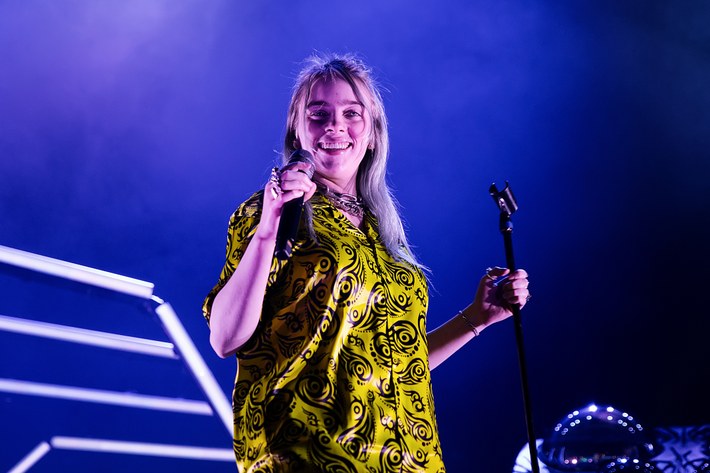
And what about the pianist Valentina Lisitsa?
The story of this Ukrainian pianist is also very significant, because it shows how, even in classical music, social media can become a decisive ingredient for success.
Lisitsa was among the first to use YouTube strategically, uploading home-recorded performances that reached hundreds of millions of views. That online popularity then gave rise to an international career, culminating in her debut at the Royal Albert Hall in 2012 with a programme chosen by her online audience. In this sense, her path is not so different from that of pop artists such as Billie Eilish: the musical languages differ, but the mechanism of discovery and direct engagement with the public is very similar.

Are social media also changing the way music is composed?
Yes, and this is a very interesting aspect. In a book I am working on with my colleague Silvia Bruni, we are analysing precisely how some contemporary compositional practices are also being transformed thanks to social media. Some composers are experimenting with shorter musical forms, often featuring playful elements (for example Francesco Filidei with his Proesie), or with broad narratives based on collective participation (see the work in progress Human Signs by Yuval Avital), which lend themselves particularly well to the audiovisual language of digital platforms. In this sense, social media are not only promotional tools, but also become a creative space that influences the very way music is conceived and constructed."