
Alpine ibex and climate change: new findings from prehistoric Archaeology
A new multidisciplinary study, led by researchers at Unibo, Unimore and MUSE – the Trento Museum of Science, has reconstructed the evolutionary history and relationship with the environment of a population of Alpine ibex (Capra ibex) that lived in the mountains of Trentino more than 13,000 years ago
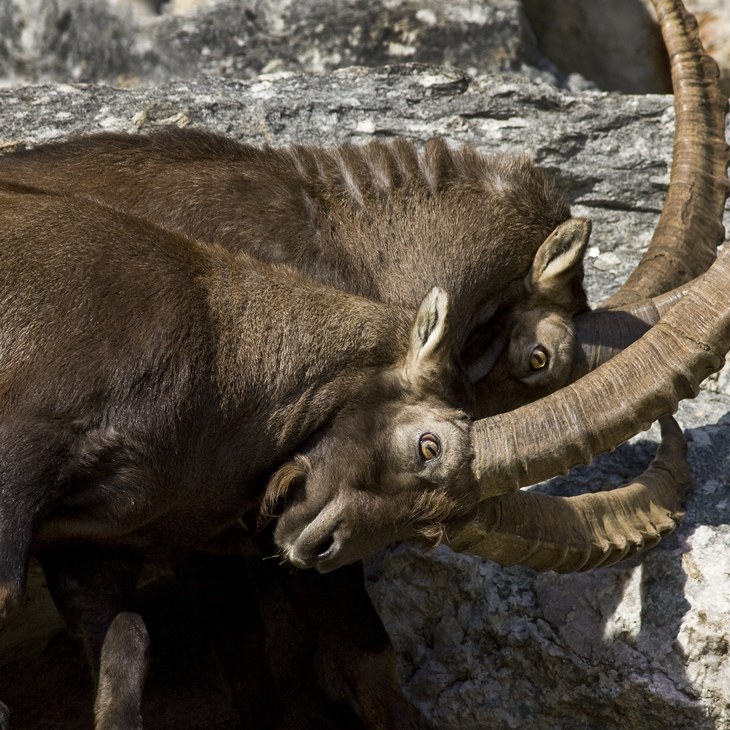
A new multidisciplinary study, led by researchers at the University of Bologna, the University of Modena and Reggio Emilia, and MUSE – the Trento Museum of Science, has reconstructed the evolutionary history and environmental relationships of a now-extinct population of Alpine ibex (Capra ibex) that lived in the mountains of Trentino more than 13,000 years ago. The study centres on ibex remains found at Riparo Dalmeri, a prehistoric archaeological site at 1,240 metres above sea level on the Altopiano dei Sette Comuni, on the northern edge of the Marcèsina plain in southern Trentino.
The study, published in the journal Scientific Reports, brings together radiocarbon dating, isotopic analysis, palaeoproteomics and palaeogenetics for the first time, offering an unparalleled insight into the ecology and history of this emblematic Alpine species.
“Riparo Dalmeri is a key site for understanding the dynamics of ibex hunting in the Alps during the Upper Palaeolithic, thanks to the remarkable quantity of remains found there and their exceptional state of preservation,” explains Rossella Duches, an archaeologist at MUSE.
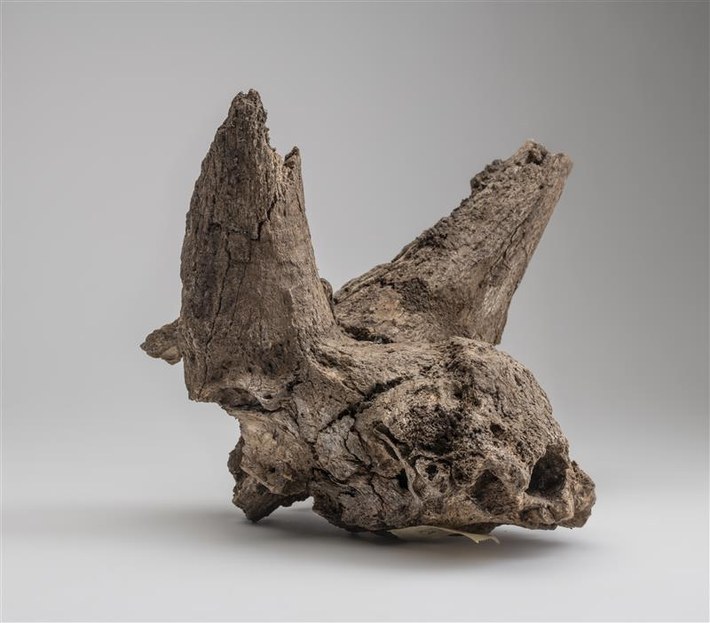
“By reconstructing the oldest DNA sequences ever recovered for this species, we are able to show that the ibex of Riparo Dalmeri represent a genetically distinct lineage, now extinct, that was isolated in the north-eastern Alps during the last glaciation,” explains Francesco Fontani of the Bones Lab (Department of Cultural Heritage, University of Bologna), co-first author of the study. “This local population most likely did not survive the rapid climate shifts and growing human pressure that marked the end of the Pleistocene.”

Comparison with modern Capra ibex genomes reveals that the population associated with Riparo Dalmeri belonged to a mitochondrial lineage distinct from that of today's ibex, animals that narrowly escaped mass extinction in the last century due to intensive hunting and survived only through a small refuge population in the Gran Paradiso.
Isotopic analyses indicate that the Riparo Dalmeri ibex were predominantly sedentary animals, despite the constant presence of humans. Variations in oxygen levels recorded by the researchers reveal an increase in climatic seasonality during the final phase of occupation of the site, coinciding with the sharp cooling that characterises the Younger Dryas period (approximately 12,900–11,700 years ago).
-
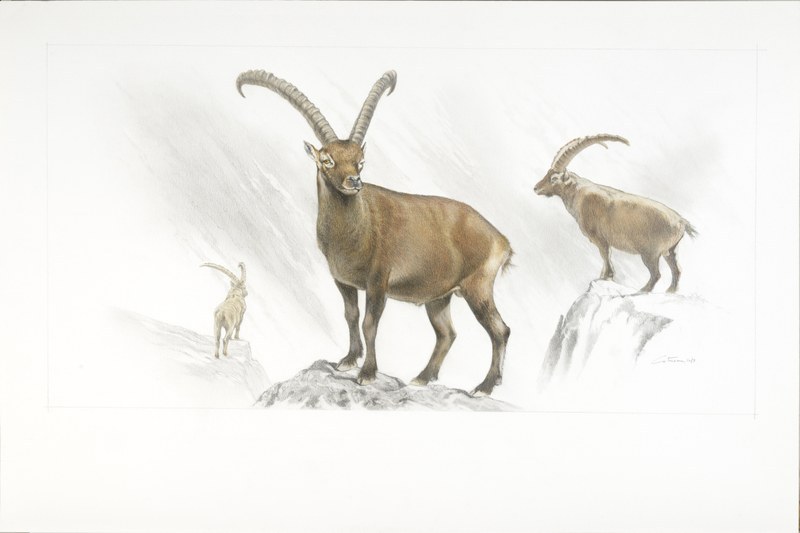
Illustration of an Alpine ibex (Image: Mauro Cutrona - MUSE)
-
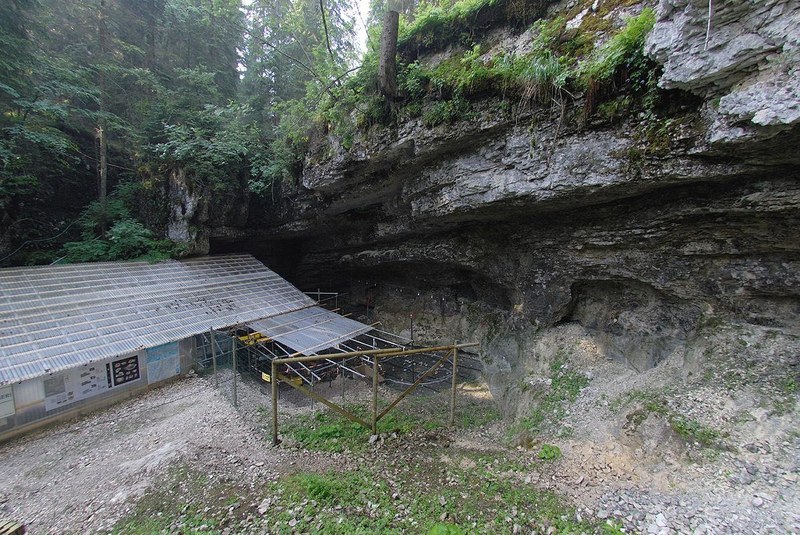
The Riparo Dalmeri archaeological site (Photo: MUSE)
-
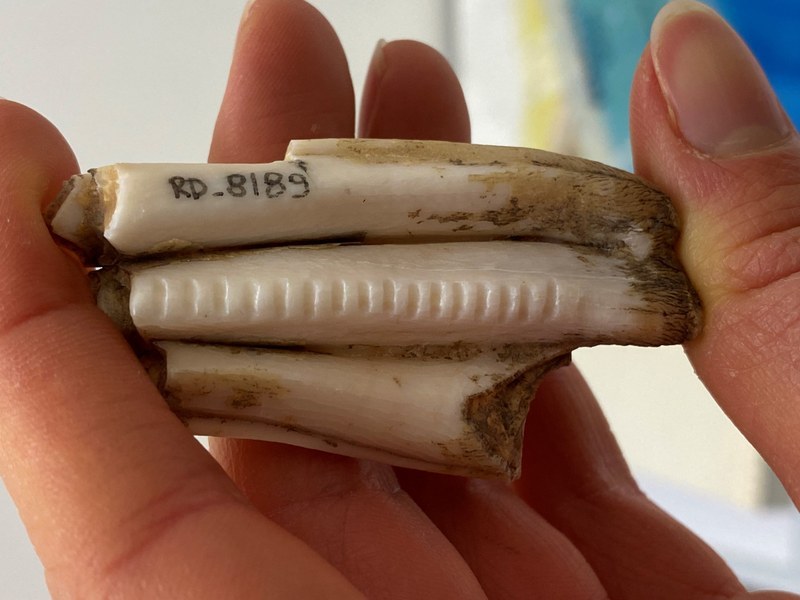
Image of sampling performed on ibex teeth (Photo: University of Modena and Reggio Emilia)
-
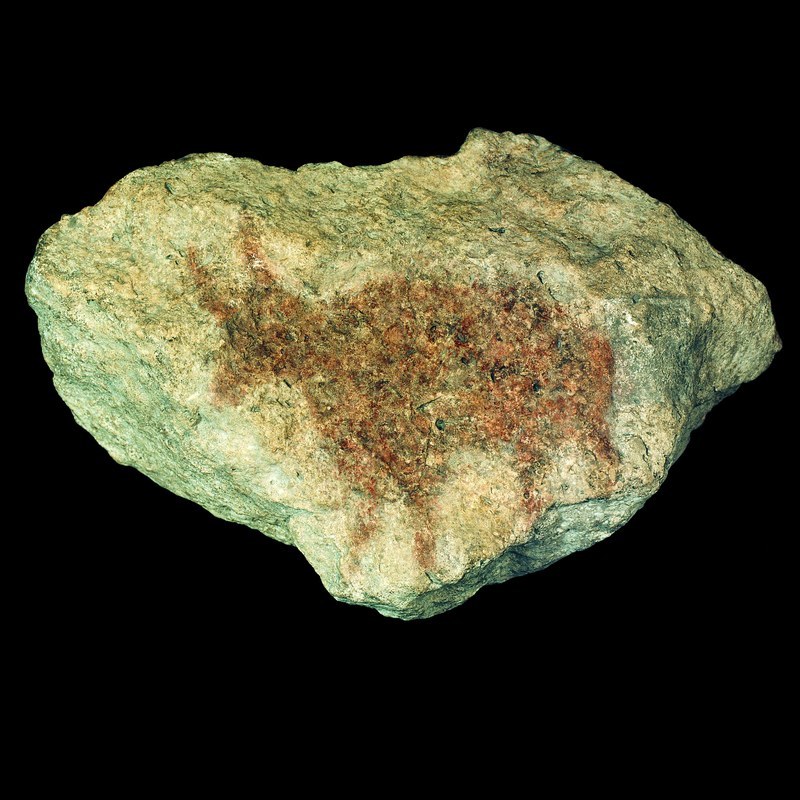
Painted stone depicting an ibex found at Riparo Dalmeri (Photo: E. Munerati - MUSE)
-
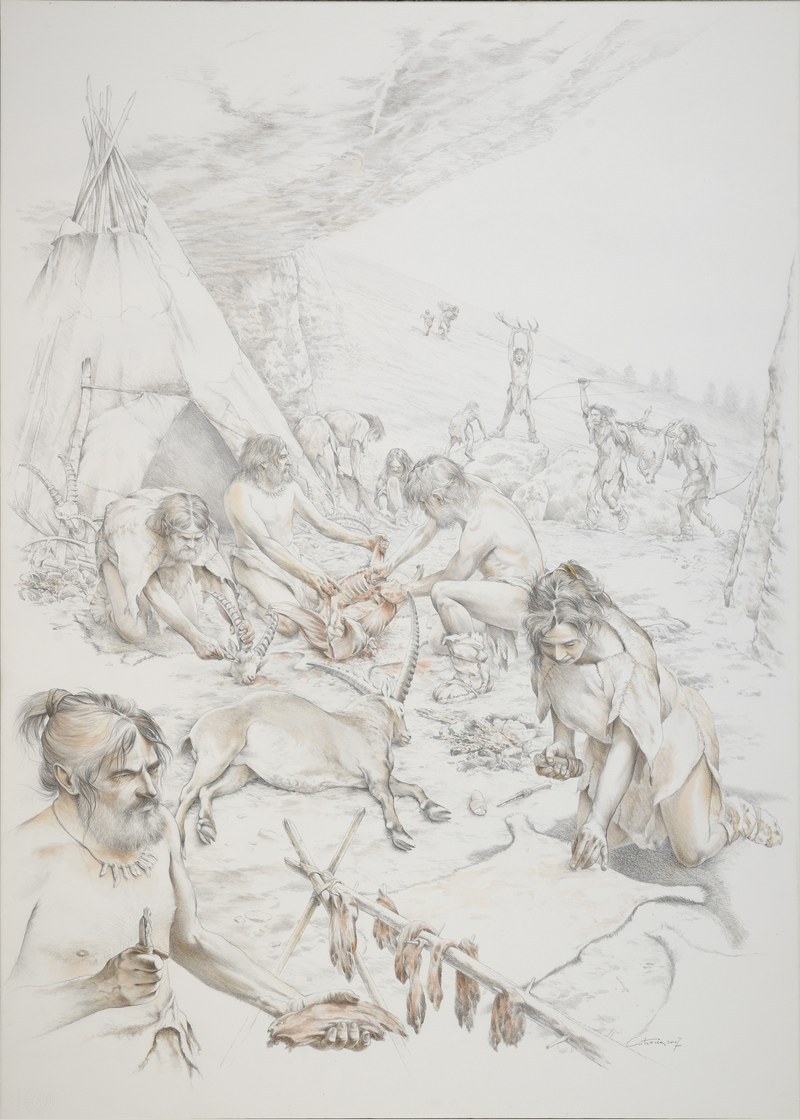
Scene of daily life at Riparo Dalmeri 13,000 years ago (Illustration: Mauro Cutrona - MUSE)
“By integrating genetic, isotopic and proteomic data, we were able to draw inferences about the climate changes taking place on the threshold of the Holocene, and to identify differences in diet and habitat use between males and females that had never previously been observed in remains of such antiquity,” adds Elena Armaroli of the MeGic Lab (Department of Chemical and Geological Sciences, University of Modena and Reggio Emilia), co-first author of the study. “These findings help us understand how animals adapted — or failed to adapt — to a rapidly changing environment.”
“Riparo Dalmeri is a key site for understanding the interplay and complex coexistence between humans and ibex in the Alps,” concludes Matteo Romandini, a researcher at the University of Bologna and senior author of the study. “Our work demonstrates how the combination of archaeological and biomolecular techniques can shed light not only on the past, but also on the conservation challenges this species faces today in the context of global warming. Beyond casting new light on the coexistence of humans and ibex in the Palaeolithic, our findings may offer a useful model for studying the impact of climate change and human activity on biodiversity.”