Unibo Magazine

231 Articles

When Sharks and Rays Call for Help

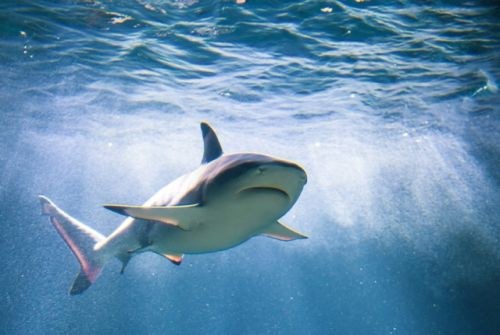
Fifteen species of elasmobranchs are in danger of extinction. To support their conservation in the Mediterranean, the EU is funding the LIFE PROMETHEUS project with 4.3 million euros, involving twenty-one partners, including the University of Bologna
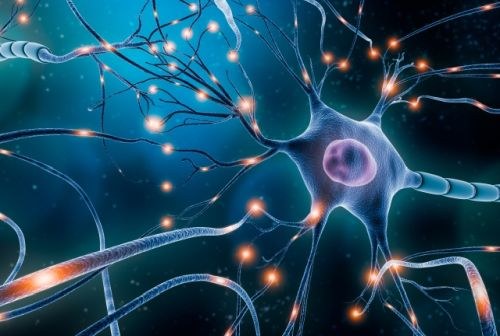
A new system for creating neural interfaces

Starting with organic materials that conduct electrons and ions (OMIEC), an international team of scientists has succeeded in creating bioelectronic microfilms that, when activated by tiny electrical impulses, can wrap themselves around nerves like little bracelets

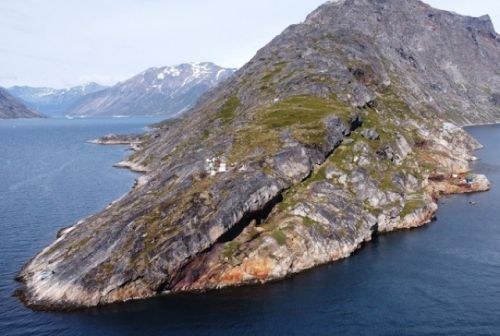
Searching for geological hydrogen in Greenland's fjords

As part of the ERC DeepSeep project, a scientific expedition will search for traces of how natural hydrogen was formed and circulated in rocks nearly two billion years old: a possible energy source for primordial life forms, which could also prove to be a new clean energy source

New strategies for safe and sustainable chemicals and nanomaterials

The new European research project CheMatSustain, in which the University of Bologna is also participating, will focus on the quantum effects of nanomaterials, new models for predicting toxicity risks and new methodologies for assessing risk and social, environmental and economic impacts

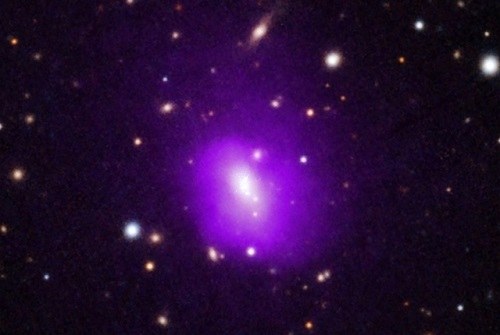
Plasma jets ejected by black holes can change direction

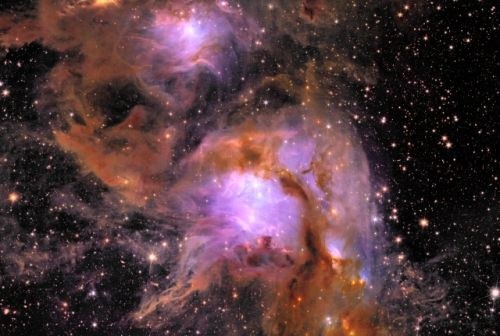
An international team of researchers led by scientists from the University of Bologna and the National Institute of Astrophysics - INAF, has shown that in some cases black holes can rotate, redirecting their powerful beam of particles beam in different directions

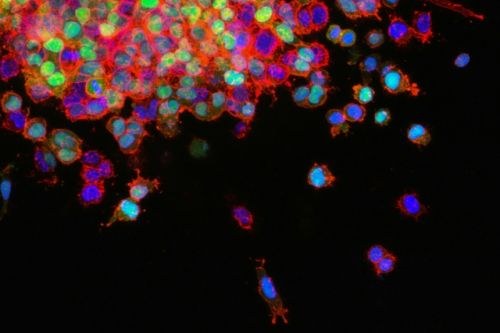
Newly Discovered Mechanism Halts Tumor Cell Replication

A research group at the University of Bologna has identified, for the first time, the specific location and genomic context where DNA breaks occur due to the inhibition of the topoisomerase I protein. The findings could lead to the development of new cancer therapies

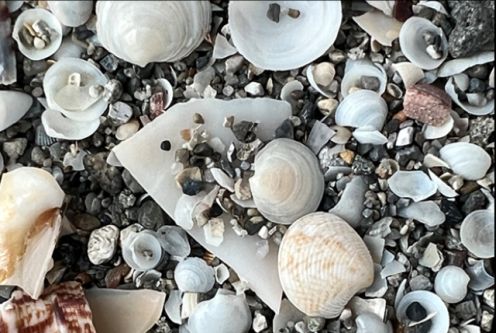
In Addition to Ecosystems, We Also Impact Fossils

Climate change, ocean acidification, the spread of invasive species, trawling: human activities are altering fossil record on the seafloor, affecting our ability to reconstruct the recent past and to use fossils to assess the state of degradation of current marine ecosystems

Beyond Insecticides: Substances Threatening Bees

The POLYPOLL project, led by the University of Bologna, studies the effects of chemical pollutants such as fungicides, herbicides, heavy metals, and veterinary drugs on pollinating insects, seeking solutions to make agricultural ecosystems more sustainable

Is climate change increasing volcanic activity in the Phlegraean Fields?

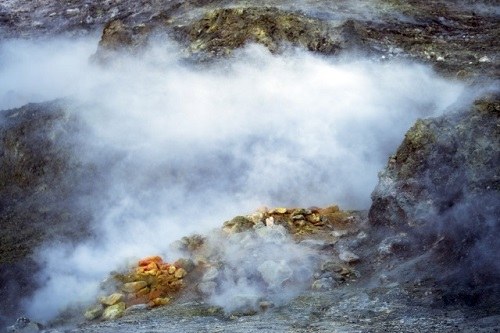
Combining the tools of climate science with those of volcanology, a group of scholars has shown that the period of increased rainfall recorded between late 2017 and 2018 coincided with a strong reduction in gas emissions from the Pozzuoli Solfatara, contributing to the increase in seismic activity recorded the following year

Heart regeneration: the key role of a growth factor has been discovered

An international study, coordinated by the University of Bologna and the IRCCS - Policlinico Sant’Orsola Hospital, has discovered that a growth factor belonging to the bone morphogenetic protein family acts as a powerful promoter of cardiac muscle cell regeneration. The results offer potential new therapeutic strategies for heart regeneration