
A New Strategy to Regenerate Lost Heart Cells
By blocking the receptor for specific steroid hormones called "glucocorticoids", it may be possible to enhance the effectiveness of cardiomyocyte regenerative therapies, with a significant impact on the treatment of heart failure

“If validated in humans, this strategy could have a significant impact on the treatment of heart failure”
What if we could regenerate the heart cells lost to a heart attack? An international research group, coordinated by scholars from the University of Bologna and the IRCCS – Sant’Orsola Polyclinic, has taken a major step forward in this direction.
In a study published in Nature Cardiovascular Research, the researchers demonstrated that specific steroid hormones called glucocorticoids play a decisive role in reducing the effectiveness of the main growth factors involved in the regeneration of heart muscle cells. Furthermore, the study shows that by using specific drugs to block the glucocorticoid receptor, it is possible to overcome this barrier to cardiac regeneration.
“These results indicate that temporarily inhibiting the action of glucocorticoids through pharmacological inhibitors can substantially boost the effectiveness of growth factor-based regenerative therapies,” explains Gabriele D’Uva, a professor at the University of Bologna’s Department of Medical and Surgical Sciences who coordinated the study. “If validated in humans, this strategy could have a significant impact on the treatment of heart failure.”
Heart damage, such as that caused by myocardial infarction, myocarditis, or certain anti-cancer treatments, leads to the irreversible loss of cardiomyocytes, the cells that make up heart muscle and are responsible for the heart’s contractile function. Once lost, these cells are replaced by non-contractile fibrotic tissue, a major contributor to heart failure, a serious clinical condition where the heart is unable to pump enough blood to meet the body’s needs.
It is well known that, immediately after birth, the mammalian heart is still capable of regenerating itself. In this early stage, cardiomyocytes respond to various growth factors and small protein molecules called cytokines that stimulate their proliferation. However, this ability is rapidly lost during the early stages of postnatal life as heart cells mature.
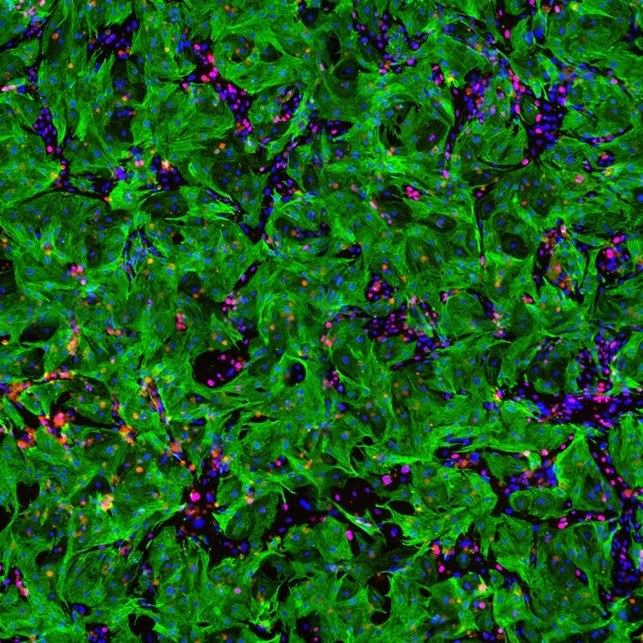
Why is this regenerative capacity of the heart lost? To understand the causes, the researchers hypothesised that there was not only a reduction in the signals promoting the cells' regenerative action — a mechanism previously identified by the same group— but that there were also mechanisms capable of inhibiting the heart cells’ response to those very signals. Glucocorticoids play a key role in these mechanisms.
“We discovered that glucocorticoids, hormones that are essential for the maturation of certain organs after birth, significantly limit the ability of cardiomyocytes to respond to regenerative growth factors,” confirms Gabriele D’Uva. “In practice, they act as a hormonal brake that shuts down the heart’s regenerative programmes.”
The researchers did not stop there. Having discovered the culprit behind the poor response to regenerative stimuli in heart cells, they attempted to block its action.
“Our study shows that blocking the glucocorticoid receptor pharmacologically can remove this brake on cardiomyocyte regeneration,” says Silva Da Pra, a postdoctoral researcher and lead author of the study. “We have seen that, in preclinical models, inhibiting this receptor restores the cardiomyocytes' response to growth factors, thereby stimulating heart cell proliferation even in later postnatal stages and adulthood.”
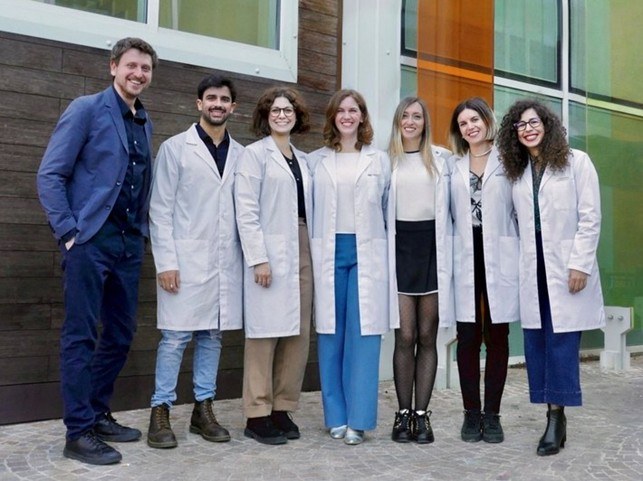
This strategy proved particularly effective in addressing the consequences of using anthracyclines, drugs widely used in cancer treatment that can be toxic to the heart.
“In this context, the combined pharmacological administration of a glucocorticoid antagonist and a regenerative factor significantly reduced heart damage, preserved heart function, and promoted cardiomyocyte survival, achieving results that were far superior to individual treatments”, explains PhD student Stefano Boriati, the second author of the study.
The next step will be the development of combined therapeutic approaches, with the aim of optimising the timing and methods of intervention to maximise heart tissue regeneration.
The study was published in Nature Cardiovascular Research under the title “Harnessing glucocorticoid receptor antagonism to enhance the efficacy of cardiac regenerative growth factors and cytokines”. The research was coordinated by Gabriele D’Uva, a professor at the University of Bologna’s Department of Medical and Surgical Sciences with research activities at the IRCCS Sant’Orsola Polyclinic. Significant contributions were provided by postdoctoral researcher Silva Da Pra and PhD student Stefano Boriati.
Additionally, groups led by Professor Mattia Lauriola and Professor Carlo Ventura, also from the Department of Medical and Surgical Sciences, collaborated on the project for the University of Bologna. Further analyses were conducted in collaboration with research groups coordinated by Professors Eldad Tzahor (Weizmann Institute of Science, Israel) and Catherine Wilson (University of Cambridge, UK).
The project was supported by national and international funding, including funds from the National Recovery and Resilience Plan (PNRR) via the Italian Ministry of University and Research (PRIN PNRR 2022 call) and Current Research funds from the Ministry of Health. The research activity is part of the RESTORE (RESearch on cell, Tissue and Organ REgeneration) Organ Perfusion and Regeneration Platform, established to create synergy between the clinical units of the IRCCS Sant’Orsola Polyclinic and the basic and translational research units of the University of Bologna for the development of innovative strategies in organ regeneration, perfusion and transplantation.
-
Gabriele D'Uva
Gabriele D’Uva is a professor of Molecular Biology at the University of Bologna, a member of the Board of the Department of Medical and Surgical Sciences and of the PhD Committee in Surgical Sciences and Innovative He is the preclinical coordinator of the Perfusion and Organ Regeneration Platform at the IRCCS Sant’Orsola Polyclinic. He studies the mechanisms regulating cell proliferation and differentiation in development, regeneration, and cancer, with a particular focus on heart regeneration.