DIDAMAR, the Aquarium of the Fano Marine Center, Opens to the Public
A 200-square-metre space dedicated to scientific research and outreach, featuring 7 themed tanks, over 50 species, and an educational itinerary curated by the University of Bologna's University Museum System
A plunge into the waters of the Adriatic Sea to discover its rich biodiversity and hidden treasures. DIDAMAR, the educational itinerary of the Fano Marine Center (FMC), is now open to the public. The FMC is a joint research centre and laboratory for the study of marine biodiversity, resources and biotechnologies, and for the promotion of eco-sustainable growth in the Adriatic. This ambitious project was made possible through a collaboration agreement between the University of Bologna, the University of Urbino, Marche Polytechnic University, the Anton Dohrn Zoological Station, the National Research Council (CNR), and the Municipality of Fano.
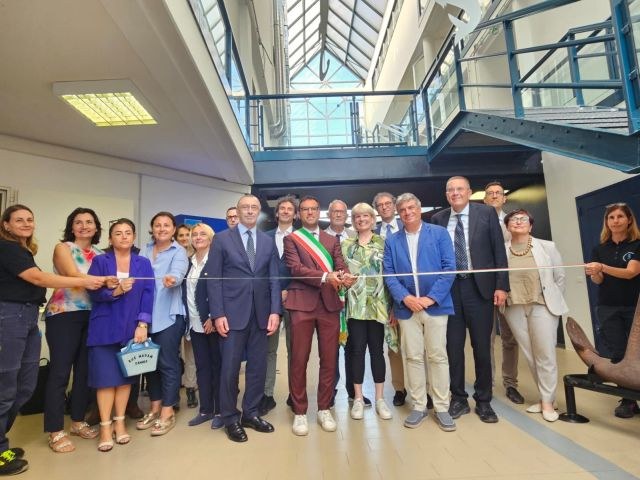
The newly inaugurated itinerary was launched today in the presence of key representatives: Giovanni Molari, Rector of the University of Bologna; Gian Luca Gregori, Rector of Marche Polytechnic University; Fabio Musso, Vice Rector of the University of Urbino Carlo Bo; Francesco Petracchini, Director of the DSSTTA Department at CNR; Antonella Penna, Full Professor of Ecology at the University of Urbino Carlo Bo; Roberto Bassi, President of the Anton Dohrn Zoological Station; and the Mayor of Fano, Luca Serfilippi. The itinerary will be open to the public starting tomorrow, 5 June.
A journey into the marine world
The fully renovated aquarium combines scientific research with public outreach, with a strong local focus that makes it especially attractive. The renovation, carried out by the Anton Dohrn Zoological Station in Naples, included the modernisation of the existing concrete tanks and the installation of new fibreglass ones, along with new displays. It also involved installing cutting-edge water treatment and management systems (Life Support System), a modern aquaculture room, and a new system for seawater intake and discharge.
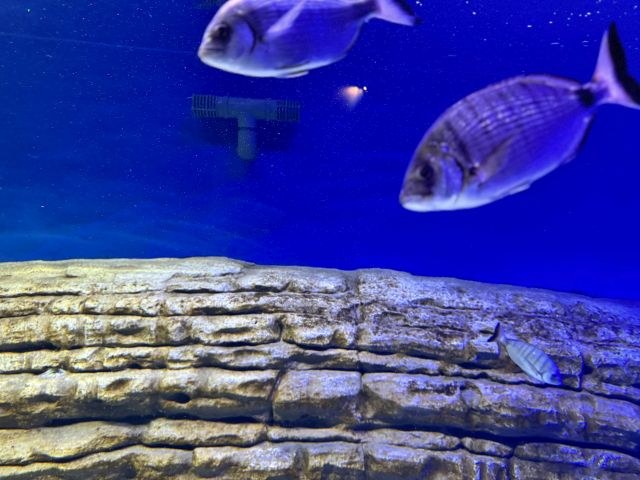
The visit to DIDAMAR in Fano is conceived as an emotional journey through various marine environments— a voyage into the Adriatic Sea, from the shoreline to the open waters, with scenic representations of the Marche coast. The exhibition area includes seven large tanks of various shapes and sizes, ranging from 1,500 to 25,000 litres, and three smaller tanks of around 300 litres each. This variety in scale guides visitors along the entire route. Thanks to the diversity and size of the tanks—some offering up to 6 metres of viewing width, over 2 metres in depth, and 2 metres in height—visitors can explore a wide array of marine species, shown in recreated habitats. The itinerary offers the opportunity to explore a range of educational topics, from the ecology and conservation of individual species to broader issues affecting the Mediterranean Sea and even global challenges.
The first tank visitors encounter is SUBMERGED MEADOW (1,500 litres), dedicated to marine phanerogams, and featuring Posidonia oceanica blocks mixed with clusters of Caulerpa prolifera, arranged over a sandy bottom with patches of light rock. The strong lighting and plant movement create a spectacular setting, home to numerous species of fish and invertebrates that find food and shelter in the vegetation, including the peculiar pipefish (Syngnathus typhle), close relatives of seahorses.
Next is the CORALLIGENOUS HABITAT tank (4,800 litres), over 2 metres tall and characterised by a rocky backdrop of dark stones forming a steep wall with longitudinal crevices. Here swim numerous red damselfish (Anthias anthias), while tunicates such as sea potatoes (Halocynthia papillosa) and various sponge species are attached to the wall. Feather stars (Antedon mediterranea), among the most distinctive echinoderms, move about the rocks, waving their feathery arms to catch food particles. This habitat is typical of the Adriatic coasts at depths of 25 to 100 metres.
Continuing on, visitors reach the CAVE tank (4,000 litres), decorated with dark volcanic rocks and a sandy bottom. This habitat is home to crustaceans such as lobsters (Palinurus sp.) and crepuscular fish like cardinalfish (Apogon imberbis), which prefer dimly lit environments.
This is followed by the TEGNUA tank (4,000 litres), featuring rocky outcrops typical of the Upper Adriatic, low in height and found at depths of up to 40 metres. These are true “oases” supporting a variety of life, including small grouper relatives, wrasses, ascidians, sponges, anemones, and spider crabs (Maja sp.).
The largest and most spectacular tank is RIVIERA DEL CONERO (25,000 litres), representing the high, rocky coast of the central Adriatic. It recreates the Trave rock formation and hosts a pelagic environment populated by marine species of various sizes and colours.
Next is the BREAKWATER tank (6,600 litres), which replicates artificial environments composed of concrete blocks or natural boulders, common along the Adriatic coast. These seabeds host many organisms, such as sea urchins, crabs, and oysters, and provide shelter for bottom-dwelling fish-like gobies and blennies. Also present are numerous rainbow wrasses (Coris julis), which feed on algae such as sea lettuce (Ulva lactuca).
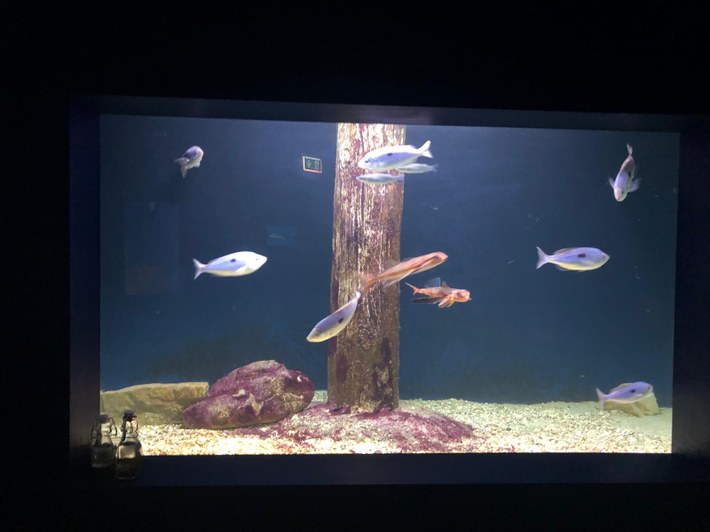
Finally, the SANDY SEABED WITH TRABOCCHI tank (10,200 litres), representing the sandy seabed—the most widespread along the Italian Adriatic coast. It recreates the environment surrounding trabocchi, ancient wooden fishing structures built on stilts, still visible today. Visitors can observe blue picarels (Spicara maena), flying gurnards (Dactylopterus volitans) with large colourful fins and sensory appendages used to probe the seabed, as well as red mullets (Mullus sp.) and turbots (Bothus podas), flatfish that live partially buried in the sand.
Science, education and conservation
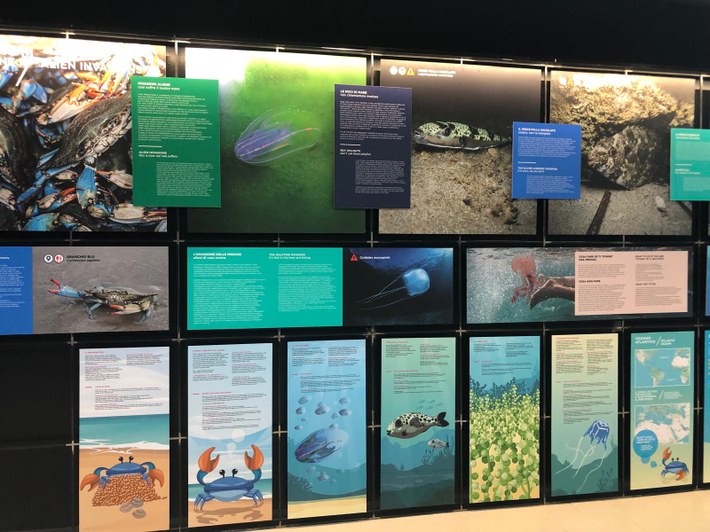
The aquarium is not just a tourist attraction but a true educational and scientific laboratory. Information panels and guided tours offer opportunities to delve deeper into topics related to sustainability and marine conservation. Complementing the aquarium experience is an outreach itinerary curated by the University Museum System of the University of Bologna, addressing four major themes studied by the centre’s researchers:
Climate change: showing how the Mediterranean is becoming warmer and more acidic, promoting algal blooms and mucilage, with consequences for biodiversity and the fishing and tourism industries.
Environmental monitoring: thanks to the “Fortunae Oceanographic Buoy”, installed in December 2022 two nautical miles off the coast of Fano, it is possible to collect real-time environmental data and images, accessible via QR code.
Alien species: the Mediterranean is home to nearly a thousand invasive alien species introduced by humans, such as blue crabs, spotted pufferfish, rabbitfish, green algae, and jellyfish. The exhibit analyses the impact of these species on biodiversity and the local economy.
Pollution: plastic, chemicals, noise and light pollution threaten the health of marine ecosystems. This section explores whether and how existing pollution can be mitigated.
Each section is complemented by a dedicated children’s trail, with hands-on activities that make the visit engaging and educational for the whole family. DIDAMAR is not just an exhibition space—it is an educational resource that fosters environmental awareness through a journey into the richness of marine life and the challenges of its conservation.
The Fano Marine Center
The aquarium and the outreach itinerary are part of the Fano Marine Center, a hub that integrates research, education, and innovation. With shared laboratories and interdisciplinary collaborations, the FMC promotes the sustainable use of marine resources.
Established in 2019 through an agreement between the University of Bologna, Marche Polytechnic University, CNR, the University of Urbino Carlo Bo, the Anton Dohrn Zoological Station, and the Municipality of Fano, the FMC is now a Mediterranean reference point for research into marine management and Blue Growth. Around 50 researchers work at the centre, in fields ranging from marine genomics to aquaculture, from the biodiversity and ecology of coastal and vulnerable ecosystems to the development of pharmaceuticals from marine microorganisms, as well as circular economy, citizen science, biomineralisation and bioremediation.
“The inauguration of DIDAMAR marks a pivotal moment for the Fano Marine Center and for our vision of the university as a driver of knowledge in service to society. With this initiative, we strengthen the third mission by taking research beyond the labs and making it accessible to citizens, students and families. DIDAMAR is a bridge between science and the community—a place where knowledge becomes awareness and active participation in the protection of the sea and the sustainable development of our territory,” said Rector Giovanni Molari.