

Growing Up Inclusive: What Helps Teenagers Embrace Diversity?
A project by the University of Bologna reveals the key role of families, schools and local communities in fostering openness to diversity in an increasingly multicultural society
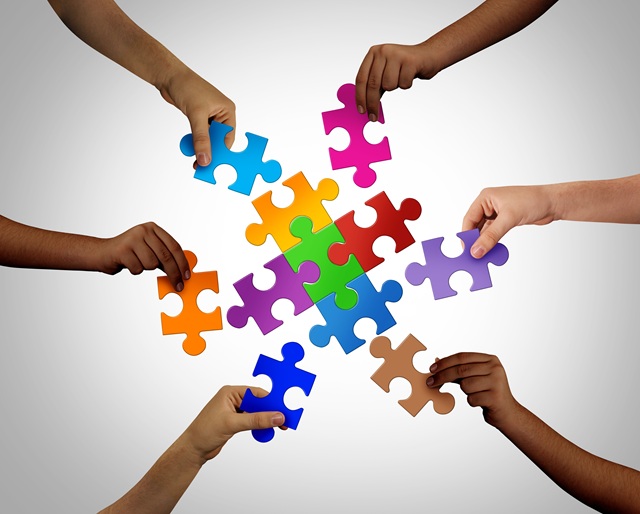
What makes adolescents more or less inclusive — able to embrace ethnic and cultural diversity and support the integration of foreigners? This question lies at the heart of a major research programme conducted at the Department of Psychology “Renzo Canestrari” of the University of Bologna, within the project IDENTITIES – Managing Identities in Diverse Societies: A Developmental Intergroup Perspective with Adolescents. Funded by the European Research Council (ERC) and coordinated by Professor Elisabetta Crocetti, the project is based on an extensive longitudinal study involving more than 1,500 adolescents, their families, teachers and local councillors.
For the first time, the study has provided an integrated analysis of how inclusivity develops over time, showing that it is not merely an individual matter but one that is deeply shaped by everyday environments. Family, school and local context all play an active and differentiated role in promoting — or, conversely, hindering — the adoption of an open and welcoming attitude toward diversity.
“The project explores how young people from different backgrounds build their identity within an increasingly multicultural society,” explains Professor Crocetti. “It offers a fresh perspective on youth inclusion that is valuable not only for the scientific community but also for those working in education, youth policy and social inclusion. The findings highlight the need to act on multiple levels — individual, relational and structural — to foster a culture of openness and respect.”
The role of the family has proven crucial. Fathers — more than mothers — influence the development of inclusive values in their children. This influence is strongest when young people perceive emotional support from their fathers. Among fathers with left-leaning political views, the relationship becomes bidirectional: children also shape their parents’ opinions.
School emerges as a space for identity and openness: adolescents are generally more inclusive than their parents, though less so than their teachers. Those who develop a strong sense of school identity — marked by engagement and reflection — tend to be more open to diversity, regardless of their background. A school environment that promotes equity and respect for ethnic and cultural diversity enhances social wellbeing and belonging, both of which are essential for lasting inclusivity.
Finally, the role of the local community: simply living in a diverse area is not enough. In municipalities with high ethnic and cultural diversity, adolescents may actually develop more closed attitudes, especially when there are few opportunities for positive intergroup interaction. Girls appear to be less affected by these negative dynamics than boys.
A distinctive feature of the research is its focus on both adolescents with a migration background (born abroad or with at least one foreign-born parent) and those without (born in Italy to Italian parents). This approach overcomes a common limitation of previous studies — often centred only on the majority group — and allows for a deeper understanding of how both groups relate to the issue of inclusivity.
The findings stem from the PhD thesis by Fabio Maratia, developed within the IDENTITIES project. The thesis was awarded the Best PhD Dissertation 2024–25 prize by the Italian Association of Social Psychology.
In primo piano
-

L’Università di Bologna è la più sostenibile d’Italia, e tra le prime dieci al mondo
-

La Pantera siamo noi: il movimento studentesco del 1990 in mostra a Bologna
-

Due giorni di festa per le dottoresse e i dottori di ricerca dell’Università di Bologna
-

Due professori ricevono il premio Rimini Mundi 2025
-

Voci, saperi, patrimoni. Dall’Amazzonia al Museo, fra Modena e Bologna