Unibo Magazine

34 Articles

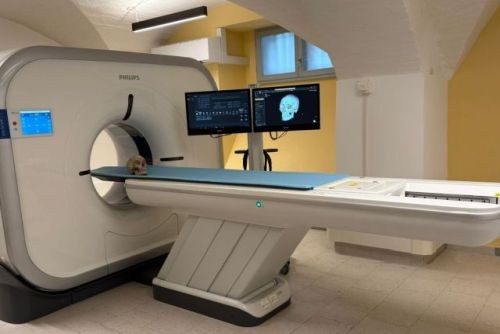
At the University of Bologna, the First CT Scanner in Italy Dedicated to Research in Human Anatomy

The new Philips Incisive CT scanner was presented at the University of Bologna’s Anatomy Centre: with this unique project, anatomical dissection—one of the oldest scientific practices—merges with cutting-edge digital technologies, generating new knowledge and paving the way for increasingly personalised, safe and effective healthcare and training models


Which Genes Regulate Metabolism?

Research carried out by the University of Bologna's Department of Agricultural and Food Sciences, in collaboration with the Animal and Food Genomics Group and other University departments, has characterised the pig metabolome for the first time, opening up new possibilities for combining genetics and nutrition with applications in biomedicine and animal production

Cancer: Mortality Rates Expected to Decrease in 2025

Forecasts for 2025 indicate a decrease in cancer mortality rates in the European Union, with an estimated reduction of around 3.5% in men and 1.2% in women. A positive trend is also expected for breast cancer, with the exception of women over the age of eighty. For this group, the increase in mortality may be linked to limited access to regular screening, delayed diagnoses, and lower uptake of innovative treatments

A New Tool to Predict the Risk of Periprocedural Myocardial Infarction

By analysing the cases of more than 1,700 patients who experienced an NSTEMI myocardial infarction, a research team led by scientists from the University of Bologna has identified a new threshold value for troponin, a protein found in heart muscle cells, which could allow doctors to adopt more targeted strategies to reduce post-angioplasty complications

How to Turn a Virus into an Anti-Cancer Nanobioparticle

A research team from the University of Bologna has developed a system that uses a specific bacteriophage — a virus that infects bacteria but is harmless to humans — as a template to synthesise new photosensitive nanoparticles able to target and destroy cancer cells and tissues