Unibo Magazine

36 Articles

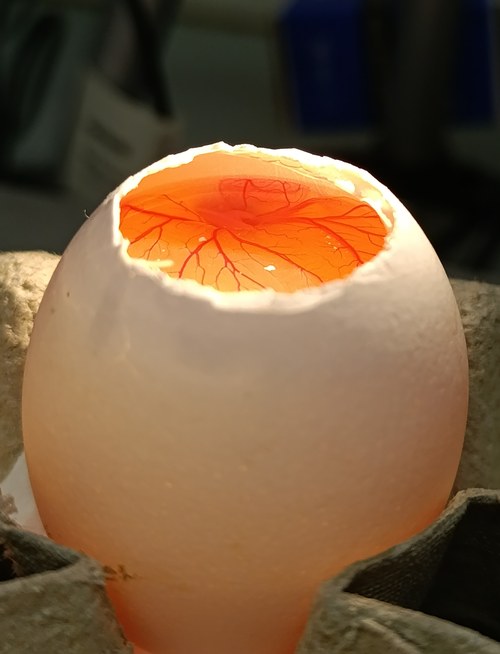
The electric heart

Inside a device that today can be as small as a coin, an ancient question lives on: how is the impulse that sets our cardiac muscle in motion created, how does it travel, and how can it be corrected? The answer begins with Luigi Galvani’s experiments on frogs, passes through the story of Swede Arne Larsson, who fainted as many as 20 times a day, and leads all the way to today’s most advanced wireless pacemakers

The energy of sport: the engine within us

From Tadej Pogačar’s successes, supported in part by a meticulously planned nutritional strategy, to Jannik Sinner’s difficulties in hot weather: two champions who show just how much energy, nutrition and the environment can influence performance. We discuss this with Professor Cristina Angeloni, Director of the Master Degree Programme in Human Nutrition, Well-being and Health at the University of Bologna

A New Strategy to Regenerate Lost Heart Cells

By blocking the receptor for specific steroid hormones called "glucocorticoids", it may be possible to enhance the effectiveness of cardiomyocyte regenerative therapies, with a significant impact on the treatment of heart failure

How can we support older adults in following their treatments?

The Eldercare project, coordinated by the University of Bologna, has identified strategies to address poor adherence to chronic treatments. The aim is to tackle one of the main challenges facing the Italian public healthcare system, which costs the National Health Service around two billion euros each year

The best time to take a university oral exam is midday

According to an analysis of more than one hundred thousand university exams, an international team of researchers has shown that the moment in which students achieve the best results is around 12 p.m. This trend may be explained by the physiological rhythms that regulate cognitive abilities and mental fatigue

There is a direct link between diet and vaginal microbiota health

A study involving over one hundred young women found that a high intake of animal proteins or alcohol is associated with an imbalance in the vaginal microenvironment. By contrast, a diet rich in fibre, starch, plant proteins, and omega-3 fatty acids supports a more stable and resilient microbiota. These findings open up new perspectives for preventing vaginal disorders, particularly in women prone to recurrence or during sensitive stages of life, such as pregnancy

Weight gain promotes brain ageing

An analysis of MRI scans from more than 46,000 people has revealed that excessive body weight is associated with accelerated brain ageing and greater cerebral atrophy. This phenomenon is particularly evident in men and tends to decrease with advancing age