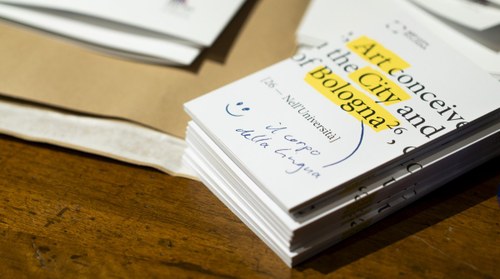
“Il corpo della lingua”: ART CITY Bologna 2026’s Special Programme across venues and artworks
The University of Bologna welcomes artists whose work investigates knowledge through the body and the senses
From 5 to 8 February, over three hundred events will turn the entire city into a city-wide stage devoted to contemporary culture. Taking centre stage this year is the Special Programme The Body of Language, developed through a dedicated collaboration with the University of Bologna
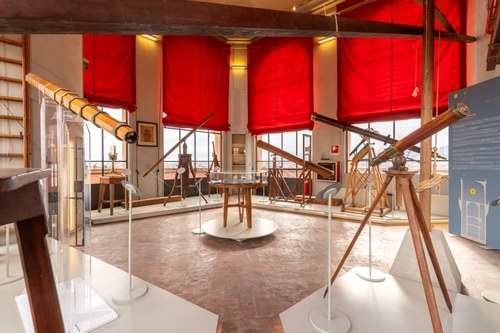
The renewed exhibition layouts of the Specola Museum and the Museum of Palazzo Poggi– now directly connected to the University Library – together with a new multimedia room on the history of the University of Bologna, return a centuries-old narrative to the community and strengthen the bond between the University and the local area
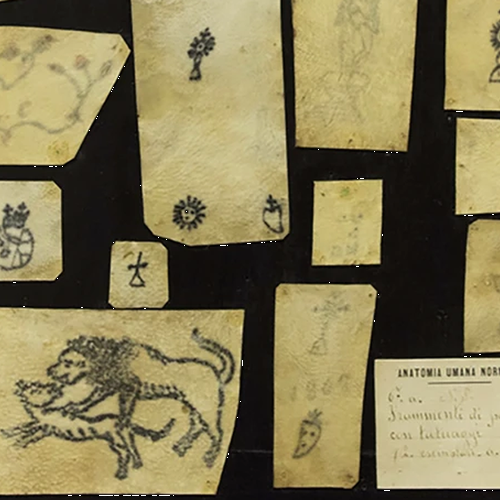
The analysis of the ancient artefacts preserved in the “Luigi Cattaneo” Anatomical Wax Collection of the University of Bologna has revealed a new perspective on the material and symbolic culture of the 19th century, including religious motifs and themes of a personal, amorous and erotic nature
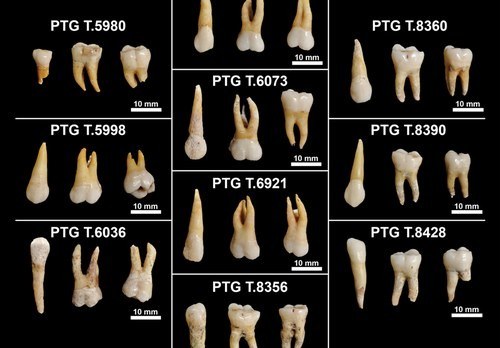
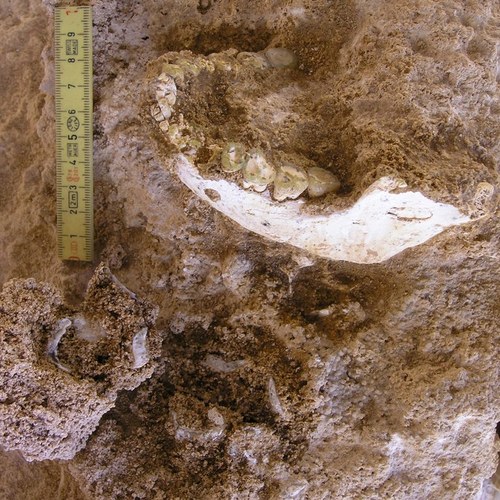
Some fossil remains discovered near Casablanca, dating back to around 773,000 years ago, may belong to an African population that lies at the base of the evolutionary trajectory from which the most recent human species, including our own, originated
An expert in the geography of migration, tourism and geographical theory, Professor Claudio Minca from the Department of History and Cultures at the University of Bologna explains how freedom of movement is never the same for everyone, and how these differences translate into selective spatial practices in places that we all pass through every day: borders, cities, infrastructural nodes, spaces of hospitality, and so on
From architecture to interpretations of Venus’s movements in the Codex Cospi, held at the University Library of Bologna: how the pre-Hispanic peoples of Mesoamerica, without telescopes, interpreted the celestial sphere to define political and social order. UniboMagazine spoke with Professor Davide Domenici
"The San Giovanni in Monte Complex is undeniably a place of memory: a collection of millennia of sedimented history alongside a sequence of episodes, some richer in detail than long periods of latency and silence"
By stepping into the role of a female avatar, a group of young men experienced catcalling first-hand in an everyday scenario. Anger and disgust emerged as the strongest emotions from the experiment. The technique could be used both in clinical settings and educational environments to foster empathy and emotional awareness
Available on the Unveiling University Heritage in the Digital Era platform, it invites visitors to confront the most complex aspects of Europe’s academic history, exploring themes such as colonialism, totalitarian regimes, discrimination and museum practices today considered problematic
The UNESCO Chair, research and initiatives by the University of Bologna to promote the knowledge, skills, values and attitudes needed to live in a globalised world and make it more equitable, inclusive, peaceful and sustainable. An interview with Professor Tarozzi
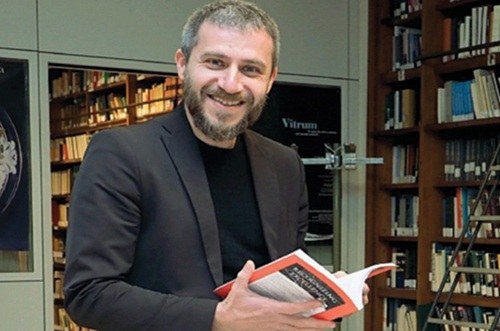
Led by Lorenzo Tabarrini, a researcher at the Department of History and Cultures of the University of Bologna, the new ERC project RaESETfides will attempt to shed light on one of the unresolved mysteries of the Middle Ages: the sudden economic and commercial success of central and northern Italian cities at the dawn of the 13th century
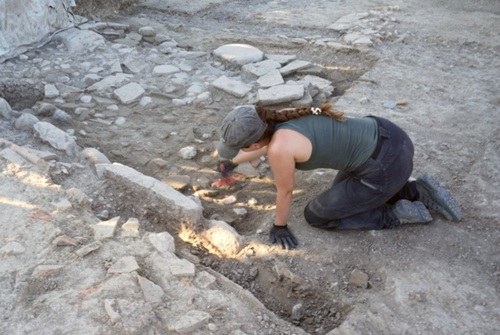
The excavation campaign led by the University of Bologna has brought to light a vast production district that stretched along the main road, with structures extending more than five metres deep, together with an extraordinary quantity of coins and several almost intact vases
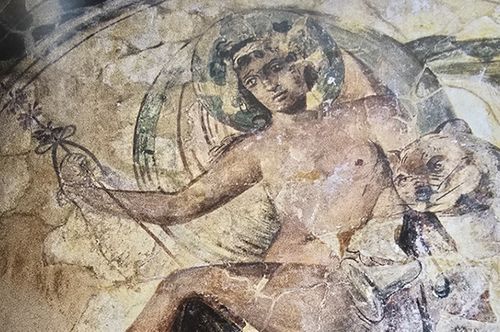
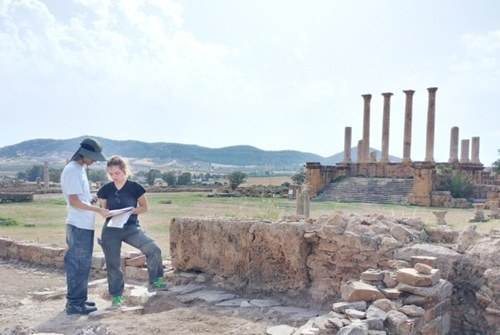
It was discovered inside one of the most important — and until now least studied — houses of the archaeological site: the House of Nicentius. The find was made by an Italian-Tunisian mission involving the University of Bologna, the National Heritage Institute of Tunisia, and the University of Manouba
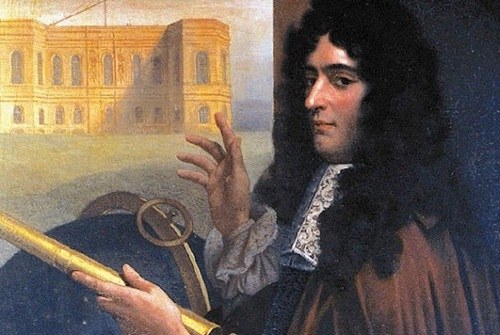
The great astronomer, born 400 years ago, designed and built it inside the Basilica of San Petronio: officially to confirm the accuracy of the Gregorian calendar, but in reality, to seek answers to questions that, in the Papal States of 1655, were best left unspoken
Professor of History of Science and Techniques at the University of Bologna, Matteo Martelli, will deliver this year’s conference as part of the Brown–University of Bologna Lecture Series
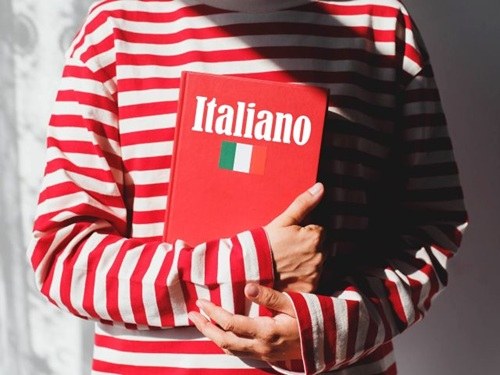
As part of the PhD Storytelling Lab initiative, Marco Giacomazzi, PhD graduate in Philosophy, Science, Cognition and Semiotics, explores how the skills needed to navigate the informational disorder of the digital age are changing, between cognitive sciences and cultural studies
The Japanese Ministry of Foreign Affairs awards a distinction to the Association founded at the University of Bologna for its contribution to promoting Japanese culture in Italy
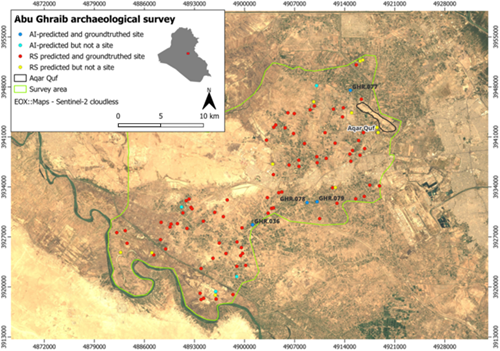
A team of scholars at the University of Bologna has developed an artificial intelligence system that can automatically recognise archaeological sites. Using satellite images from the CORONA espionage programme of the 1960s, it has revealed four ancient human settlements that had previously gone unnoticed by archaeologists
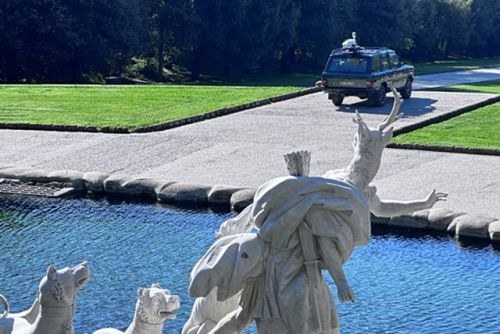
The technology used by the University of Bologna is the only one of its kind in Italy. It is being used for the first time in a historic park that is part of a UNESCO World Heritage site
Univers-ITA, a project coordinated by the University of Bologna, has produced the first systematic map of Italian university students’ formal writing skills
New research conducted on 126 boys and girls aged 3 to 8 reveals that parents’ anxiety about maths can have a significantly negative impact on their children’s numeracy skills
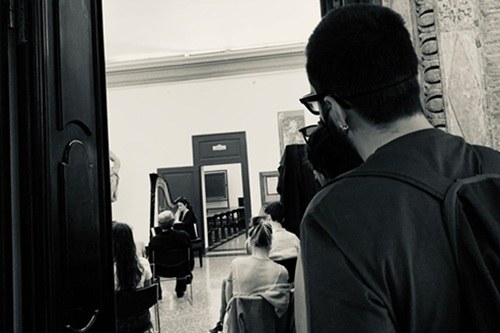
Eight concerts organised by Collegium Musicum to experience music while on lunch break

'Colonial Legacies of Universities: Materialities and New Collaborations (COLUMN)' is the title of the project in which the University of Bologna participates, led by the Universities of Utrecht, Anton De Kom (Suriname), Graz (Austria), Pretoria (South Africa), Geneva (Switzerland), Charles (Czech Republic), Aarhus (Denmark) and Studio Louter
Starting tomorrow, videos on monitors in regional trains, posters in bus shelters and a dedicated website will offer tips on how to lead a healthy lifestyle to people who travel every day from home. This is the core of the activities coordinated by the Department for Life Quality Studies of the University of Bologna, in collaboration with Trenitalia and Tper
Two digital exhibitions highlight the cultural and environmental treasures preserved in the collections of the Alliance that brings together eleven of Europe’s leading universities, accompanied by a workshop exploring how digital innovation is shaping the future of university heritage
Two photographic reproductions of the allegories of Vices and Virtues, made by Carlo Naya in 1865, are on display at the Thyssen-Bornemisza Museum as part of the exhibition dedicated to the great French writer
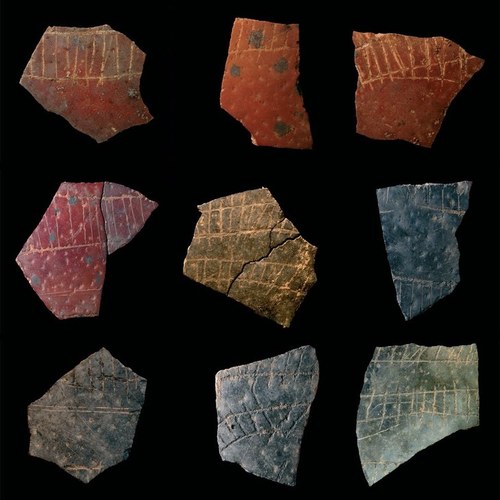
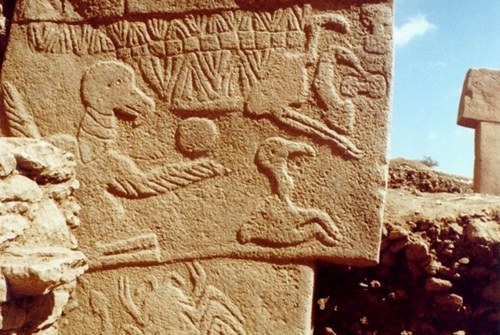
Researchers from the University of Bologna have identified a series of visual codes with associative, repeated, and interconnected rules by analysing images and figurative objects made over ten thousand years ago by societies spread across present-day Türkiye and northern Syria
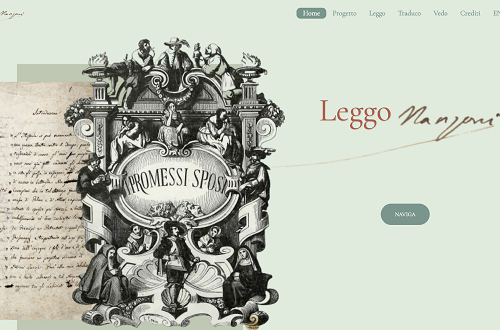
Students from the University of Bologna and Peking University will work together to create a digital edition of Manzoni’s novel with a parallel Chinese translation, turning this literary classic into a bridge between cultures across time and space
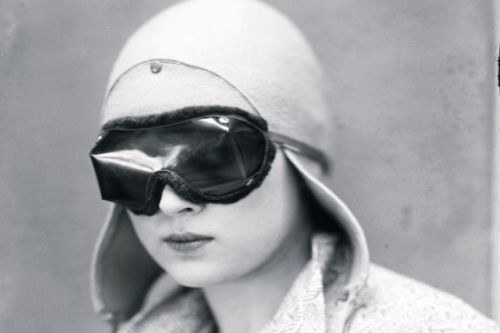
The Research Centre “Photography, Art and Feminisms” of the University of Bologna supports an exhibition focused on the social advancement of women in the 20th century as seen through the lens of the Wulz family, who managed their renowned photographic studio in Trieste for more than a century
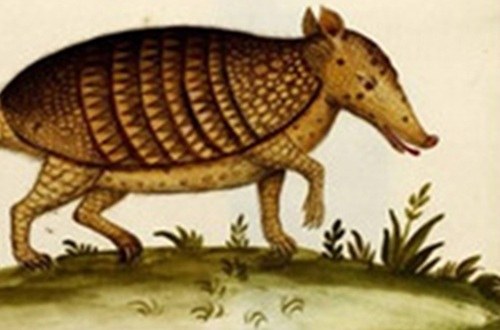
A new web app called PAROLA, available online free of charge, is designed to assist parents in fostering the language development of monolingual, bilingual, and multilingual children aged 24 to 36 months. It offers interactive games, activities, and podcasts to stimulate communication and language skills
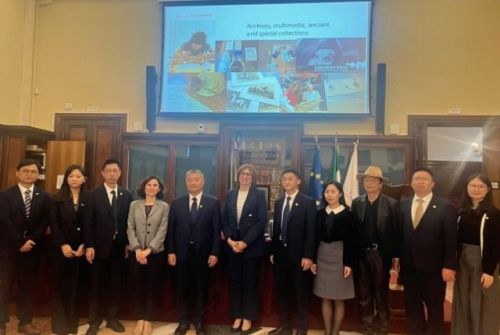
The Zhejiang University has gifted the University of Bologna with a precious collection of Chinese art volumes and a delegation was welcomed at the Rectorate - marking a new milestone in academic and cultural cooperation between the two institutions
Fifteen episodes to discuss how ambiguous ideas can be controversial, convincing and productive on the one hand, yet problematic and harmful on the other
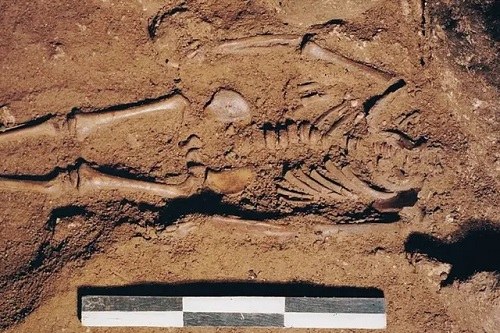
He probably had blue eyes, ebony skin and curly, dark hair; the genes also suggest a close kinship between his parents – possibly first-degree cousins. His death, which happened when he was only 16 months old, could have been caused by a hypertrophic cardiomyopathy, a congenital cardiac disease associated with sudden death
The porticoes inclusion in the UNESCO World Heritage List represents a turning point to redefine the spatial concepts of heritage. This is suggested by a study, conducted at the University of Bologna, which explores and interprets the spatial complexity of the Bolognese porticoes
As part of the ArcheoNevola project – led by the University of Bologna – a large burial dating back to the 7th century B.C. has been discovered. It contains over 150 objects, including a two-wheeled chariot and a prestigious set of bronze artifacts comprising a helmet, a cauldron, and several finely decorated containers
The lyrics of pop music are at the core of a University of Bologna’s research projects involving young high school students
A new study on the artefacts found in the Grotta di Castelcivita, in the Salerno province, shows that the crucial shift from the Proto-Aurignacian culture to the Early Aurignacian occurred before the major eruptive event that marked the Mediterranean region. This contradicts previous hypotheses on the relevance of sudden natural hazards for technological development in prehistoric times
Seven online sections trace the intellectual and academic journey of this distinguished scholar and professor, born 100 years ago, through the digital reproduction of materials preserved in the library named in his honour, located in the Department of Classical Philology and Italian Studies at the University of Bologna
The plant, which originated in South America and which has now disappeared from our country, arrived in Italy at the end of the 16th Century, decades earlier than previously thought: a discovery made possible thanks to the heritage of Renaissance herbaria kept by the University of Bologna
Thanks to a significant contribution from the Emilia-Romagna Region, the documentary heritage held by the Bologna University Library - BUB is enriched with a work of great historical and literary importance